Machines don’t warn before they start. A press cycles. A conveyor jerks to life. A valve releases pressurized steam. In seconds, lives change. Every year, hundreds of workers suffer severe injuries—or worse—due to unexpected energization of machinery during servicing. The solution isn’t complex engineering. It’s procedure. Lockout tagout safety procedures exist for one reason: to ensure machines stay off when people work on them.
OSHA estimates that proper lockout tagout (LOTO) practices prevent 120 fatalities and 50,000 injuries annually. Yet, violations of the Control of Hazardous Energy standard (29 CFR 1910.147) consistently rank among the top 10 most cited violations. Why? Because too many organizations treat LOTO as paperwork, not a lifeline.
This is not about policy for policy’s sake. It’s about what happens when a technician opens a motor panel, and someone down the line hits a restart button. Real people. Real consequences. Here’s how to get lockout tagout right.
What Are Lockout Tagout Safety Procedures?
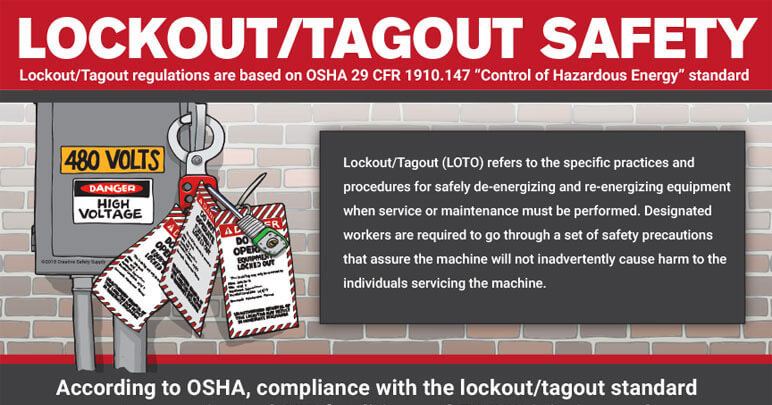
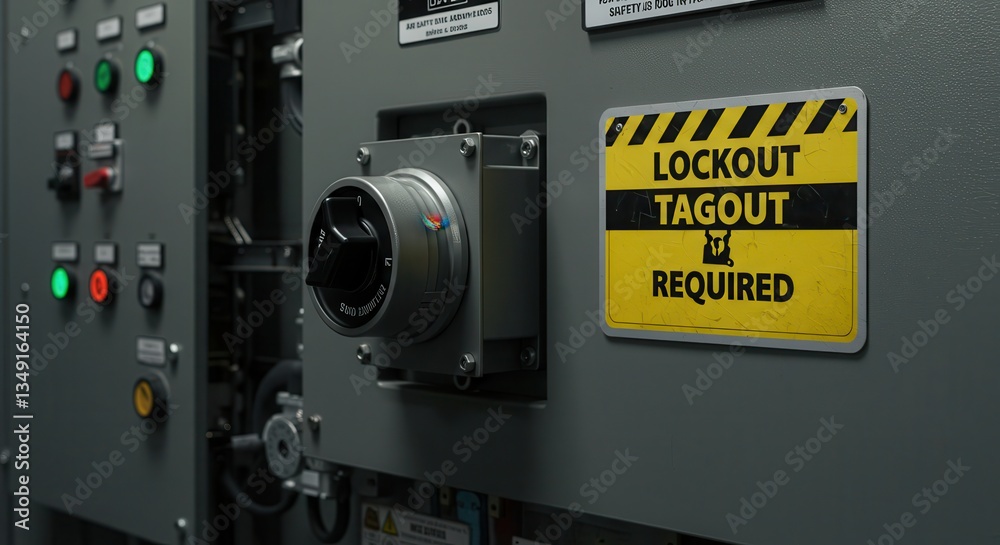
Lockout tagout safety procedures are a structured set of actions designed to isolate energy sources from machinery and prevent accidental startup during maintenance, repair, or servicing. At its core, LOTO is a physical and administrative control system. It involves locking energy-isolating devices—like circuit breakers, valves, or disconnect switches—so only authorized personnel can restore power.
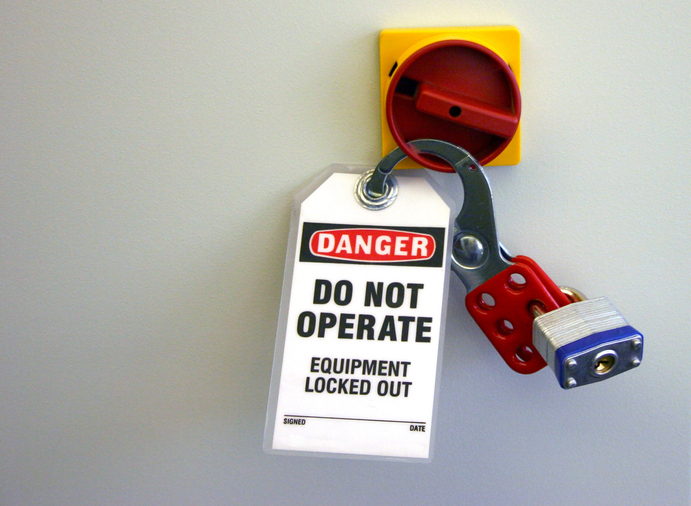
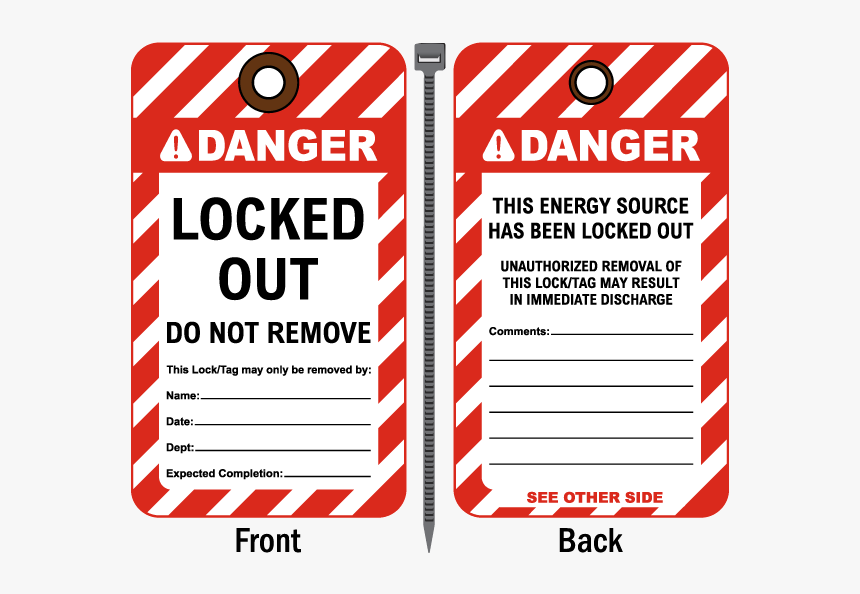
"Lockout" means a physical lock is applied to the energy source. "Tagout" means a warning tag is attached, indicating who locked the device, when, and why. While tags alone are permitted in certain cases, lockout is the gold standard because it provides positive control.
These procedures apply to all forms of hazardous energy: - Electrical - Mechanical - Hydraulic - Pneumatic - Chemical - Thermal - Gravitational
Failure to implement them correctly turns routine maintenance into a potential fatality event.
Why Lockout Tagout Procedures Fail in Practice
Many companies have LOTO procedures on paper but not in practice. The system breaks down not from ignorance, but from operational pressure.
Common real-world failures include: - Bypassing locks during “quick fixes” — “It’ll only take two minutes,” becomes a permanent shortcut. - Group lockout confusion — Multiple workers servicing a single machine, but only one lock applied. - Inadequate training — New hires shadow others but never practice full LOTO independently. - Missing energy sources — A technician locks the electrical disconnect but forgets a pressurized hydraulic line. - Poor lock management — Lost keys, shared locks, or missing hasps.
One food processing plant recorded three near-misses in six months—all traced back to temporary bypasses during cleanup. Each time, workers believed the machine was safe because it was “off,” not realizing stored energy in hydraulic systems could still activate components.
LOTO isn’t a one-time training module. It’s a culture of verification.
The 8-Step Lockout Tagout Procedure (OSHA-Aligned)
A standardized process reduces variability and human error. Follow these eight steps for every servicing event:
- Prepare for Shutdown
- Identify all energy sources associated with the equipment. Review the machine-specific LOTO procedure. Gather necessary locks, tags, and tools.

- Notify Affected Personnel
- Alert all employees who operate or work near the machine that maintenance is occurring.
- Shut Down the Equipment
- Use normal stopping procedures. Do not rely on emergency stops as isolation points.
- Isolate Energy Sources
- Turn off and disconnect all energy inputs—electrical breakers, fluid valves, belts, etc.
- Apply Locks and Tags
- Each authorized employee applies their personal lock and tag. Use lockout hasps or valve locks as needed.
- Release Stored Energy
- Bleed pressure, block moving parts, drain capacitors, or lower suspended loads. This step is often overlooked but critical.
- Verify Isolation (Zero Energy State)
- Attempt to restart the machine using normal controls—after ensuring no one is in the danger zone. If it starts, something’s wrong. Go back.
- Restore Equipment Safely
- Remove tools, re-energize only after confirming all workers are clear, then remove locks and tags. Only the person who applied the lock should remove it.
This sequence isn’t optional. It’s the backbone of industrial safety.
Machine-Specific Procedures Are Non-Negotiable
A generic “turn it off and tag it” approach fails when applied across diverse equipment. A CNC mill, a boiler, and a conveyor system each have unique energy profiles.
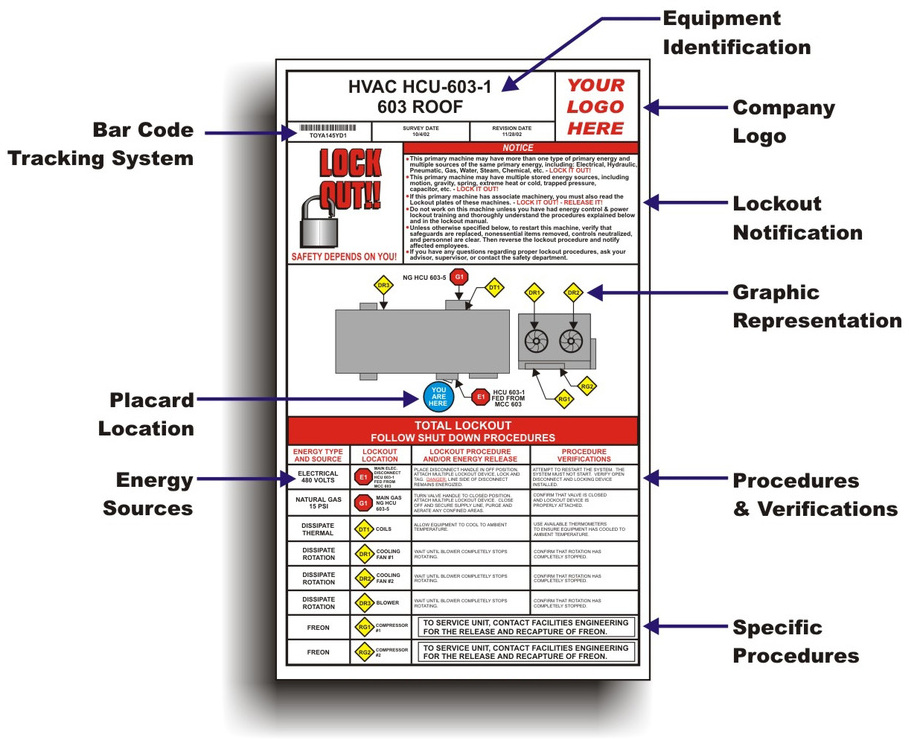
Effective LOTO programs include documented, machine-specific procedures. These should detail: - Type and magnitude of energy sources - Location of isolation points - Sequence for shutdown and isolation - Verification method - List of required lockout devices
For example, a punch press may require: - Electrical disconnect lock - Hydraulic valve lock - Mechanical lock to prevent ram descent - Verification via foot pedal test
Without this specificity, workers guess. Guessing gets people hurt.
Common LOTO Mistakes and How to Fix Them
Even experienced teams make preventable errors. Here are the top missteps and their corrections:
| Mistake | Consequence | Solution |
|---|---|---|
| Using one lock for multiple workers | Only one person can authorize restart | Implement group lockout boxes |
| Not verifying zero energy state | Accidental startup during service | Always test-operate after isolation |
| Allowing lock sharing | Loss of accountability | Issue individual locks with employee ID |
| Skipping tag details | Unknown lock origin | Tags must include name, date, reason |
| Failing to audit procedures | Drift from compliance | Conduct quarterly LOTO audits |
One automotive parts facility reduced LOTO incidents by 78% in one year after introducing surprise verification audits. Supervisors would randomly ask technicians to explain their lockout steps. Knowledge gaps surfaced instantly.
Tools and Devices That Support LOTO Compliance
The right hardware makes compliance easier, not harder. Use these devices to strengthen your system:
- Personal Lockout Locks
- Durable, keyed-alike or keyed-different locks assigned to individual employees.
- Tagout Tags
- Weather-resistant tags with space for name, department, and reason.
- Lockout Hasps
- Allow multiple locks to be applied to a single isolation point.
- Valve Lockouts
- Secure ball, gate, or butterfly valves in the closed position.
- Circuit Breaker Locks
- Prevent electrical re-energization without removing the lock.
- Group Lockout Stations
- Central boxes where multiple workers place locks during complex servicing.
- Energy Isolation Templates
- Clear, laminated guides posted near machines showing exact LOTO steps.
No tool replaces training. But the right devices reduce ambiguity and enforce discipline.
Training and Authorization: Who Can Perform LOTO?

OSHA distinguishes between two roles: - Authorized Employees: Trained to implement LOTO on specific machines. They apply locks and perform servicing. - Affected Employees: Operators who use equipment but don’t perform maintenance. They must understand LOTO’s purpose and never tamper with locks.
Training must be: - Initial and periodic (at least annually) - Machine-specific - Hands-on, not just classroom-based - Documented with sign-offs
A manufacturing plant in Ohio discovered that 30% of maintenance staff couldn’t correctly identify all energy sources on a packaging line during a drill. Retraining followed—and near-misses dropped within months.
Knowledge isn’t transferable by osmosis. It must be tested.
Auditing and Continuous Improvement
A LOTO program isn’t “set and forget.” OSHA requires annual inspections to ensure procedures are followed and remain effective.
During an audit: - Watch an authorized employee perform a full lockout - Verify each step matches the written procedure - Check that stored energy is properly released - Confirm isolation is tested - Document findings and correct deviations
These audits aren’t about punishment. They’re about protection. Use them to refine procedures, update diagrams, and re-engage teams.
One paper mill uses a “LOTO scorecard” during audits, rating performance on a 10-point scale. Teams with perfect scores receive recognition. It’s not a contest—it’s accountability with dignity.
Closing: Make LOTO a Habit, Not a Hurdle
Lockout tagout safety procedures are among the most effective safeguards in industrial work. They’re also among the most frequently ignored. The difference between compliance and catastrophe often comes down to one question: “Did someone skip a step?”
Don’t treat LOTO as a regulatory box to check. Build it into your operational rhythm. Train relentlessly. Audit transparently. Equip workers with the right tools. And never accept exceptions—even for “quick” tasks.
When a machine stays off, it’s not luck. It’s procedure. Make sure yours holds.
Frequently Asked Questions
What is the difference between lockout and tagout? Lockout uses a physical lock to prevent energy isolation devices from being activated. Tagout uses a warning tag. Lockout is preferred because it provides positive control; tagout alone is only allowed when locks can’t be used.
Who is responsible for applying lockout devices? Each authorized employee working on the equipment must apply their own personal lock and tag. No one else should remove it.
Can multiple people work on a machine under one lock? No. Each worker must apply their own lock. Use a group lockout box if multiple employees are involved.
What counts as stored energy? Stored energy includes anything that can release power after shutdown—springs, capacitors, elevated parts, pressurized fluids, or rotating flywheels.
How often should LOTO procedures be reviewed? Written procedures must be inspected annually. They should also be updated whenever equipment changes or after an incident.
Is LOTO required for corded plug-in equipment? Yes, if the plug isn’t under the exclusive control of the worker. If the technician can’t see the plug or others could reconnect it, LOTO applies.
What should a tag include? A tag must state the employee’s name, department, date, and reason for lockout. It should also warn against operating the equipment.
FAQ
What should you look for in Lockout Tagout Safety Procedures That Prevent Workplace Injury? Focus on relevance, practical value, and how well the solution matches real user intent.
Is Lockout Tagout Safety Procedures That Prevent Workplace Injury suitable for beginners? That depends on the workflow, but a clear step-by-step approach usually makes it easier to start.
How do you compare options around Lockout Tagout Safety Procedures That Prevent Workplace Injury? Compare features, trust signals, limitations, pricing, and ease of implementation.
What mistakes should you avoid? Avoid generic choices, weak validation, and decisions based only on marketing claims.
What is the next best step? Shortlist the most relevant options, validate them quickly, and refine from real-world results.