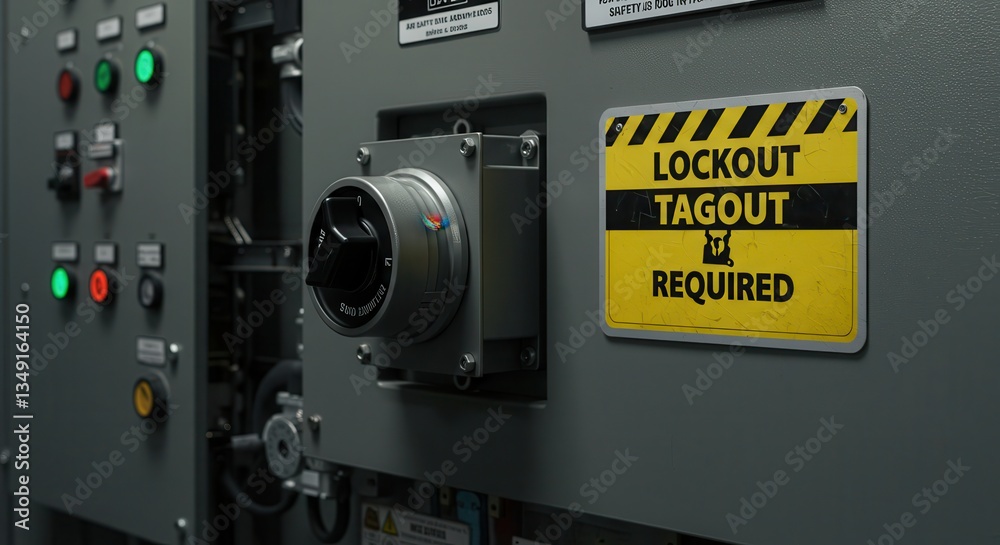
Electrical panels are silent hazards when uncontrolled. A single misstep during maintenance—failing to isolate power, skipping verification, or miscommunicating status—can lead to arc flashes, electrocution, or worse. The lockout tagout (LOTO) process exists to eliminate these risks. Yet, in facilities across industries, LOTO for electrical panels is either inconsistently applied or poorly understood. This isn’t a paperwork exercise—it’s a life-saving protocol.
Every year, OSHA cites hundreds of companies for LOTO violations, many tied directly to electrical systems. The root cause? Not ignorance of the rules, but flawed execution. From temporary bypasses to shared lock usage, shortcuts compromise safety. Real compliance means more than hanging a tag. It means verifying zero energy, controlling access, and ensuring only the authorized worker restores power.
This guide cuts through the noise. We’ll walk through the exact steps for securing electrical panels, spotlight common failures, and show how to build a repeatable, enforceable LOTO system.
Why Lockout Tagout Applies to Every Electrical Panel
Electrical panels control the flow of energy to machinery, lighting, HVAC, and critical systems. When maintenance or servicing is required, residual energy in these panels poses a serious threat. Even if a breaker is off, capacitors can store lethal charges, and backfeed from alternate sources can re-energize circuits unexpectedly.
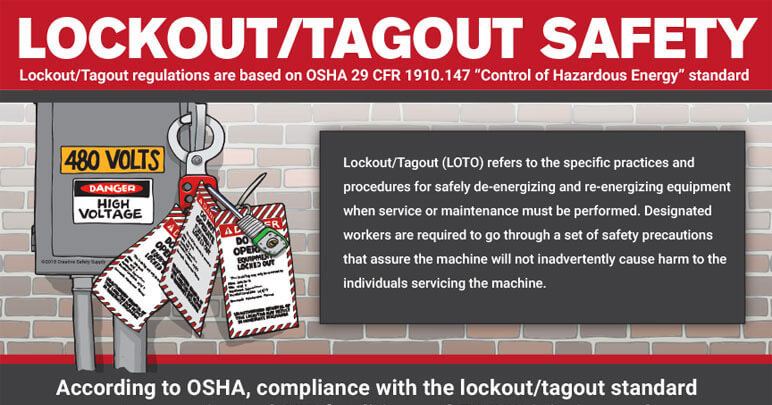
OSHA 29 CFR 1910.147 mandates that “service or maintenance on machines or equipment which are capable of being locked out shall be performed under an established energy control procedure.” This includes all electrical panels where unexpected energization could harm workers.
A common misconception is that only high-voltage panels require LOTO. In reality, even 120V circuits can cause fatal shocks or trigger arc blasts. The risk isn’t just voltage—it’s accessibility. Panels in machine rooms, production floors, or utility closets are often serviced under time pressure, increasing the temptation to skip steps.
Real-world example: At a Midwest manufacturing plant, a technician bypassed LOTO to “just reset a breaker.” Unbeknownst to him, a colleague upstream had re-energized the subpanel. The resulting arc flash caused second-degree burns. The investigation revealed no lockout was performed, and the LOTO procedure wasn’t specific to that panel.
The takeaway: every electrical panel, regardless of size or location, must have a documented LOTO process.
The 6-Step Lockout Tagout Process for Electrical Panels
A standardized LOTO sequence ensures consistency and safety. Here’s how to apply it specifically to electrical panels:
#### 1. Preparation Identify the exact panel and all energy sources feeding it. Check one-line diagrams or electrical schematics. Determine if there are multiple power feeds, emergency backups, or control circuits that could re-energize the system.
Tip: Use panel labels that include breaker numbers, upstream sources, and LOTO points.
#### 2. Notification Inform all affected employees that maintenance is about to begin. This includes operators, supervisors, and nearby personnel. Use intercoms, signage, or direct communication.
Common mistake: Assuming silence means approval. Always get verbal or written acknowledgment.
#### 3. Shutdown Turn off all equipment powered by the panel. Use proper PPE and insulated tools. Shut down at the load level first, then de-energize the panel via main or branch breakers.
Note: Some panels have isolating switches instead of breakers. These must be opened and locked in the off position.
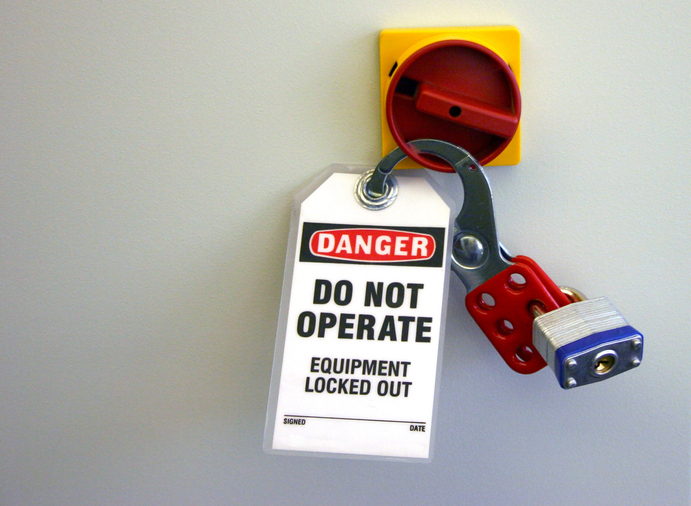
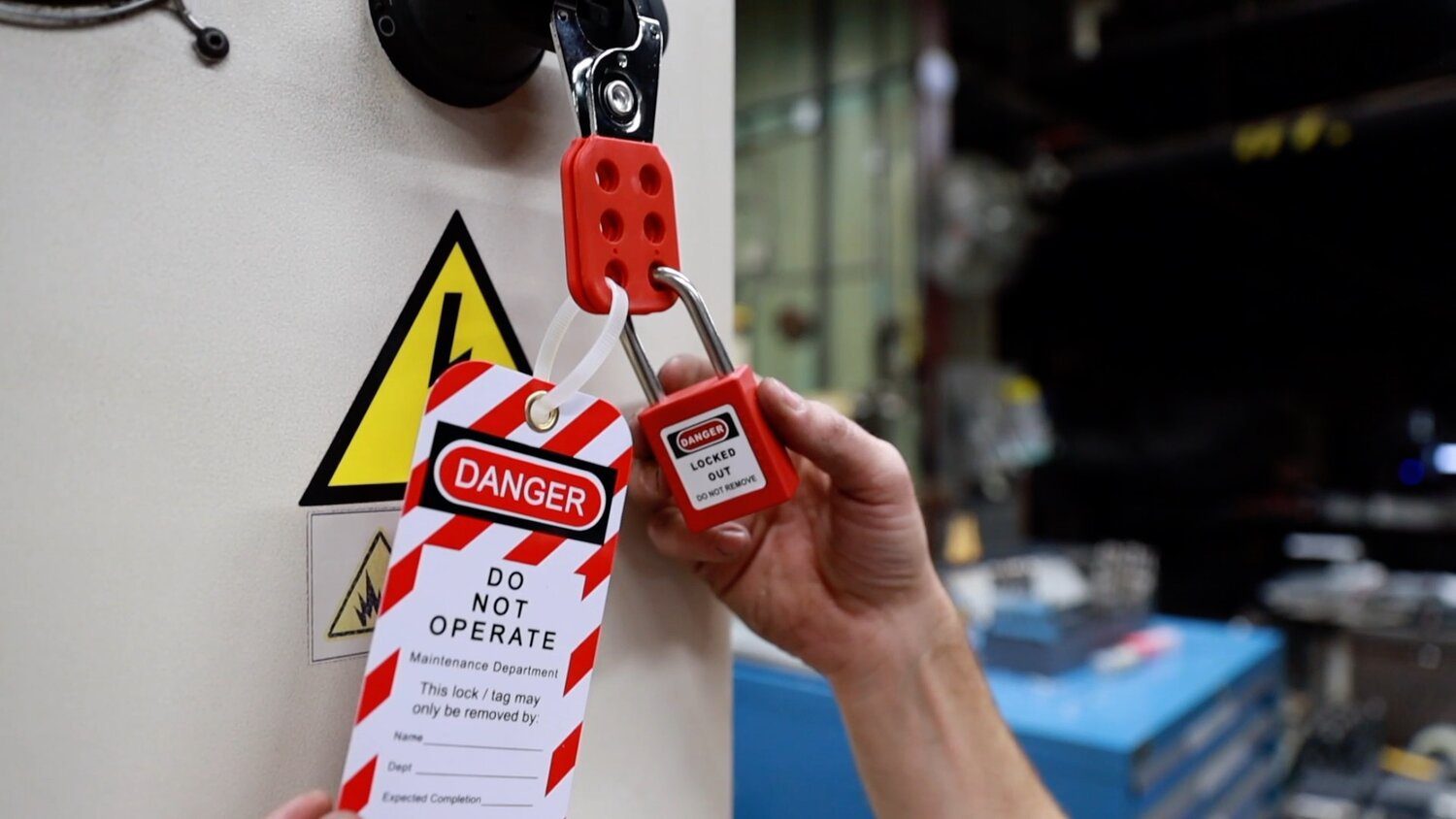
#### 4. Isolation Physically disconnect power sources. For electrical panels, this means: - Opening and locking main disconnects - Locking individual breakers in the off position - Applying lockout devices (e.g., breaker lockouts, hasp systems)
Use a group lockout box if multiple workers are involved. Each person applies their personal lock before work begins.
#### 5. Verification This is the most critical and most skipped step. Use a properly rated voltage tester to confirm zero energy at the point of work. Test phase-to-phase and phase-to-ground.
- Pro tip: Follow the “live-dead-live” testing method:
- Test a known live source to confirm your meter works
- Test the target circuit—you should read zero
- Re-test the known live source to ensure your meter didn’t fail
Never assume a panel is dead just because the breaker is off.
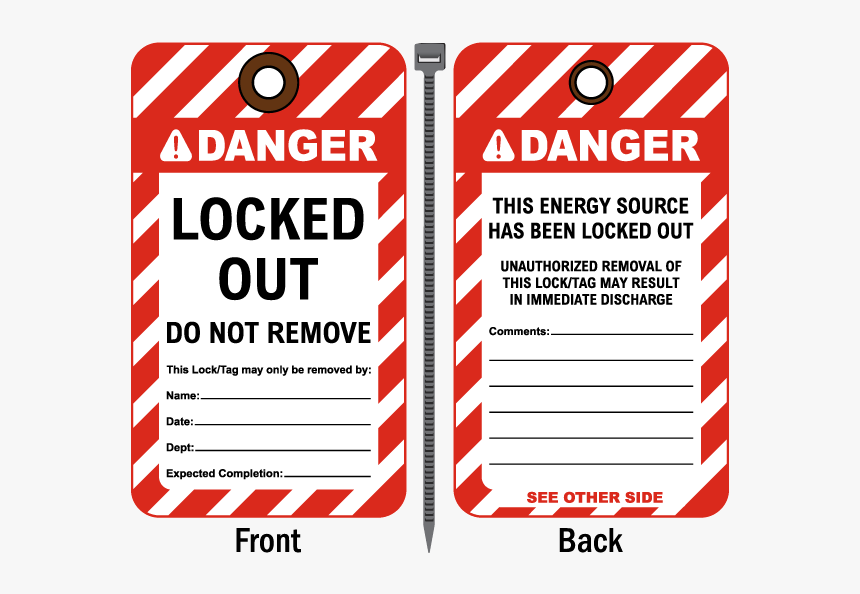
#### 6. Tagging Attach a durable tag to each lock. The tag must include: - Name of the authorized employee - Date and time of lockout - Reason for LOTO - Contact information
Tags are warnings, not substitutes for locks. They communicate intent and accountability.
Common Lockout Tagout Mistakes
with Electrical Panels
Even experienced electricians make errors under pressure. These are the most frequent—and dangerous—mistakes:
- Using tags without locks: Tag-only systems are only allowed in specific cases (e.g., when locks aren’t feasible). For electrical panels, physical lockout is almost always possible and required.
- Skipping verification: “I know it’s off” is not a procedure. Without testing, you’re guessing.
- Locking the wrong device: Some panels have multiple disconnects. Locking a local breaker while the main remains energized creates a false sense of safety.
- Using master or shared locks: Each worker must use their personal lock. Shared locks defeat accountability.
- Poor documentation: If the LOTO procedure isn’t written, specific, and accessible, compliance erodes over time.
- Rushing removal: Removing locks before work is complete, or allowing someone else to remove your lock, violates core LOTO principles.
One utility company discovered that 30% of its LOTO incidents occurred during shift changes—because outgoing workers failed to communicate lock status. Solution? Implement a LOTO logbook at each major panel, requiring sign-in and sign-out with lock numbers.
LOTO Devices and Tools for Electrical Panels
Not all lockout tools are created equal. Choosing the right hardware ensures reliability and compliance. Here are five essential LOTO tools for electrical panel safety:

| Tool | Purpose | Best Use Case |
|---|---|---|
| Breaker Lockout (Snap-On or Clamp Type) | Secures circuit breakers in OFF position | Standard panel breakers (15A–200A) |
| Plug-In Lockout Hasp | Allows multiple locks on one disconnect | Group maintenance on main panels |
| Padlock with Safety Tag | Personal lock with employee ID and warning | Individual accountability |
| Isolator Switch Lockout | Fits rotary disconnect switches | Main disconnects or motor control centers |
| Lockout Station Kit | Portable set with locks, tags, hasps, and tools | Mobile technicians or field service |
Pro insight: Use keyed-alike locks for supervisors only—they shouldn’t remove locks, but may need access during emergencies with proper authorization.
Color-coding enhances safety. Many facilities use red locks for electrical, blue for pneumatic, and green for mechanical systems. It allows quick visual identification during audits.
Creating Panel-Specific LOTO Procedures
Generic LOTO procedures fail because they don’t account for real-world complexity. A one-size-fits-all approach misses nuances like dual power feeds, PLC-controlled circuits, or remote re-energization risks.
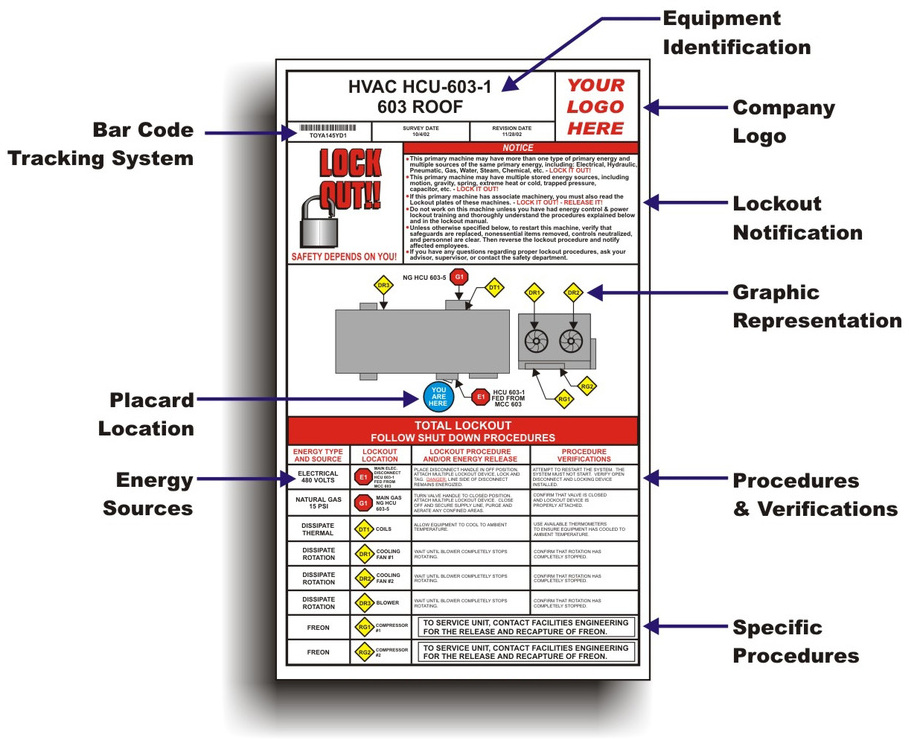
Instead, develop a LOTO procedure for each electrical panel. Include: - Panel location and identifier (e.g., “MCC-2, Panel B”) - List of energy sources (main feed, backup generator, UPS) - Sequence of shutdown and isolation - Exact lock points and device types - Verification method and test points - Authorized personnel only
Example: A food processing plant created laminated LOTO cards for each panel. Mounted inside the door, each card showed photos of lock points, breaker numbers, and a checklist. Technicians sign and date after each use. Downtime from LOTO errors dropped 70% in six months.
Digital solutions are emerging—QR codes on panels that link to interactive LOTO guides—but paper-based, visible procedures still outperform in high-noise or low-connectivity environments.
Training and Compliance: Beyond the Checklist
LOTO isn’t a set-it-and-forget-it program. OSHA requires annual retraining for authorized employees and initial training for affected workers.
But real safety culture goes deeper. Effective training includes: - Hands-on lockout drills - Scenario-based testing (e.g., “What if the panel has backfeed?”) - Shadowing experienced technicians - Quarterly audits with corrective feedback
One refinery conducts surprise LOTO audits—sending safety officers to verify locks, tags, and verification steps. Findings are reviewed weekly, and trends addressed in team meetings.
Compliance isn’t just about avoiding fines. It’s about building a system where no one feels pressured to cut corners. Empower workers to stop work if LOTO isn’t followed. That authority must be visible, verbalized, and enforced.
Final Steps: Make LOTO a Habit, Not a Hurdle
Lockout tagout for electrical panels isn’t bureaucracy—it’s the thin line between routine maintenance and catastrophe. The best programs treat LOTO as a non-negotiable part of the job, like wearing a seatbelt.
Start by auditing your highest-risk panels. Are procedures documented? Are locks and tags readily available? Do workers verify zero energy every time?
Then, standardize. Equip every technician with a personal lockout kit. Post procedures visibly. Audit monthly. Celebrate compliance, not speed.
When LOTO becomes routine, safety becomes culture. And in high-risk environments, that culture doesn’t just protect workers—it sustains operations.
Take action today: pick one electrical panel, verify its LOTO process, and test it with a voltage meter. Repeat across your facility. Safety isn’t a policy. It’s a practice.
FAQ
What should you look for in Lockout Tagout for Electrical Panels: A Complete Safety Guide? Focus on relevance, practical value, and how well the solution matches real user intent.
Is Lockout Tagout for Electrical Panels: A Complete Safety Guide suitable for beginners? That depends on the workflow, but a clear step-by-step approach usually makes it easier to start.
How do you compare options around Lockout Tagout for Electrical Panels: A Complete Safety Guide? Compare features, trust signals, limitations, pricing, and ease of implementation.
What mistakes should you avoid? Avoid generic choices, weak validation, and decisions based only on marketing claims.
What is the next best step? Shortlist the most relevant options, validate them quickly, and refine from real-world results.