Most workplace energy-related accidents don’t happen because procedures don’t exist—they happen because the wrong steps are followed, skipped, or misunderstood. A lockout tagout (LOTO) procedure example isn’t just a formality. It’s a sequence of deliberate actions that prevent injury during maintenance, servicing, or repair of machinery. When done right, it stops unexpected startup or release of stored energy. When done wrong, it can be fatal.
This article walks through a real-world lockout tagout procedure example, highlights typical pitfalls, and shows how to implement a reliable process across different equipment types.
What Is a Lockout Tagout Procedure?
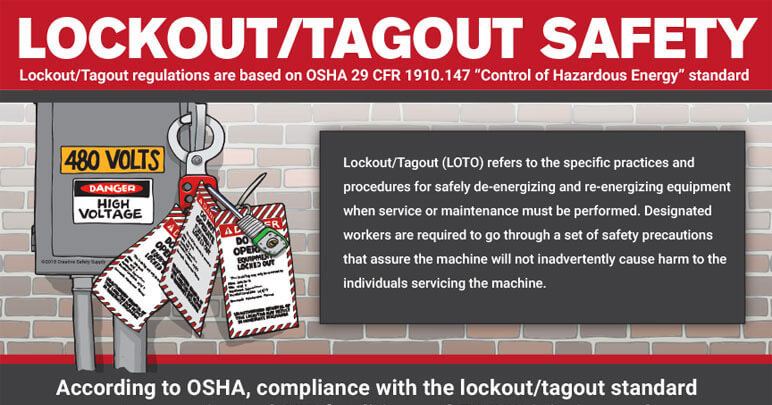
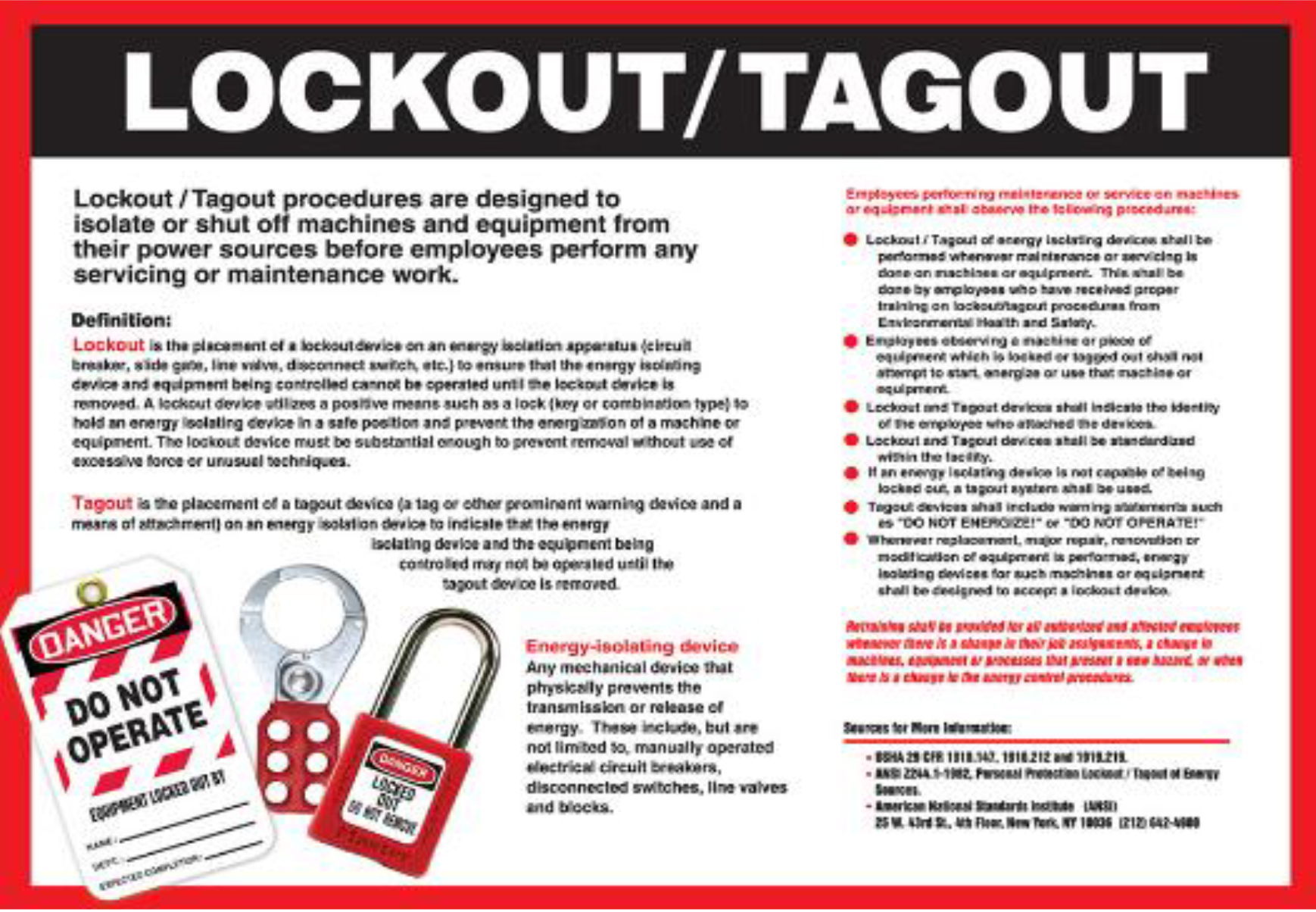
At its core, a lockout tagout procedure is a safety protocol used to ensure that machines or equipment are isolated from all energy sources before maintenance begins. It involves two actions:
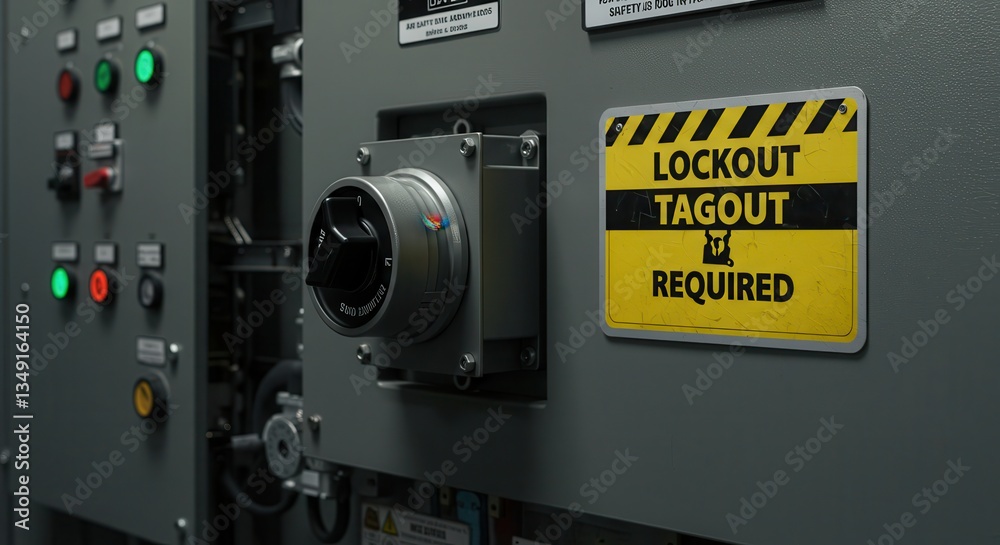
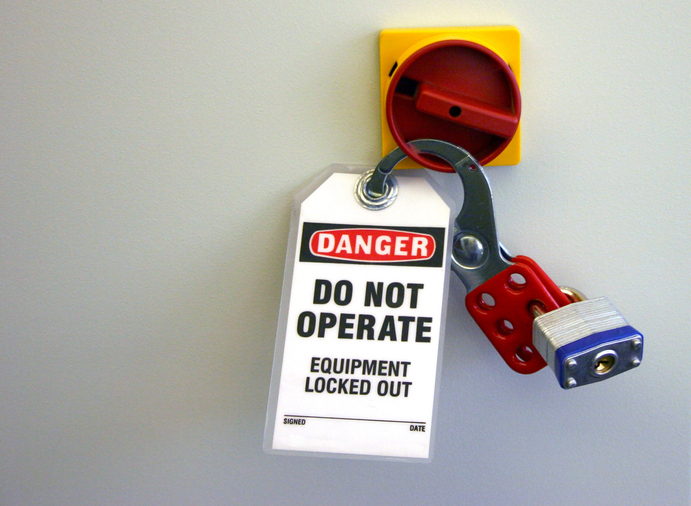
- Lockout: Physically securing energy-isolating devices with a lock to prevent re-energizing.
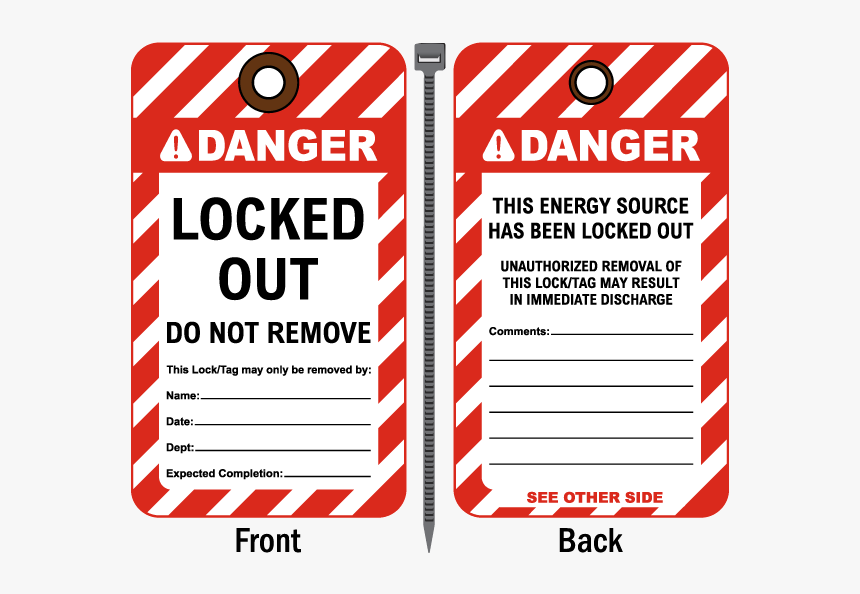
- Tagout: Attaching a warning tag to explain why the lock is in place and who applied it.
The goal is simple: protect workers from accidental startup or energy release—mechanical, electrical, hydraulic, pneumatic, chemical, or thermal.
OSHA standard 29 CFR 1910.147 outlines the requirements, but it’s up to each facility to develop specific, documented procedures for every piece of equipment. That’s where a clear lockout tagout procedure example becomes essential.
Real-World LOTO Procedure Example: Hydraulic Press Machine
Consider a hydraulic press used in a metal stamping plant. This machine operates under high pressure and uses electrical, hydraulic, and mechanical energy. Maintenance is required to replace a worn seal in the hydraulic cylinder.
Here’s a detailed, step-by-step lockout tagout procedure example for this scenario:
#### 1. Preparation - Maintenance supervisor identifies the task (seal replacement) and confirms it requires LOTO. - The authorized employee reviews the machine-specific LOTO procedure and gathers necessary tools: lockout hasps, personal locks, tags, bleed valves, and personal protective equipment (PPE).
#### 2. Notify Affected Personnel - The maintenance team informs all operators that the press will be shut down for servicing. - A brief safety huddle confirms everyone understands the timeline and shutdown status.
#### 3. Shut Down the Equipment - The machine operator stops the press using the normal shutdown procedure. - The main control switch is turned off, ensuring the machine isn’t running.
#### 4. Isolate Energy Sources - Electrical: The main disconnect switch is turned off and locked out with a hasp and individual locks from each authorized worker. - Hydraulic: Pressure relief valves are manually opened to bleed residual pressure. The hydraulic pump isolation valve is closed and locked. - Mechanical: Any spring tension or stored mechanical energy is safely released.
#### 5. Apply Locks and Tags - Each authorized employee applies their personal lock and tag to each energy-isolating device. - Tags include: - Employee name - Date and time - Reason for lockout - Contact information
#### 6. Verify Zero Energy - The lead technician attempts to restart the machine using the control panel (with guards open and safety interlocks bypassed only for testing). - No movement or response confirms energy isolation. - Voltage testers confirm zero electrical potential at critical points.
#### 7. Perform Maintenance - With all energy sources secured and verified, the seal replacement begins. - Only authorized, trained personnel handle the repair.
#### 8. Remove Lockout Devices - After the repair, all tools are removed, guards reinstalled, and the area cleared. - The lead technician confirms the machine is safe to return to service. - Each worker removes their own lock—no exceptions.
#### 9. Restore Equipment - Energy sources are reconnected in reverse order: hydraulic valves opened, electrical disconnect closed. - Normal startup procedures resume.
This example reflects a compliant, effective LOTO process—documented, executed, and verified.
Common Mistakes in LOTO Procedures
Even experienced teams make errors. Here are the most frequent missteps observed in real facilities:
- One lock for multiple workers: Only one person applies a lock, assuming group safety. OSHA requires each worker to apply their own lock.
- Using tags without locks: Tagout alone is only allowed if a lock can’t be used—and even then, additional safety measures are required.
- Skipping verification: Assuming the machine is off without testing it leads to 90% of LOTO-related incidents.
- Poorly trained "authorized" employees: Not all maintenance staff fully understand energy sources or isolation methods.
- Inadequate documentation: Generic procedures that don’t match equipment specifics fail during audits and emergencies.
A lockout tagout procedure example is only as strong as the attention to detail behind it.
Key Elements of a Valid LOTO Procedure
Every documented LOTO procedure should include these components:
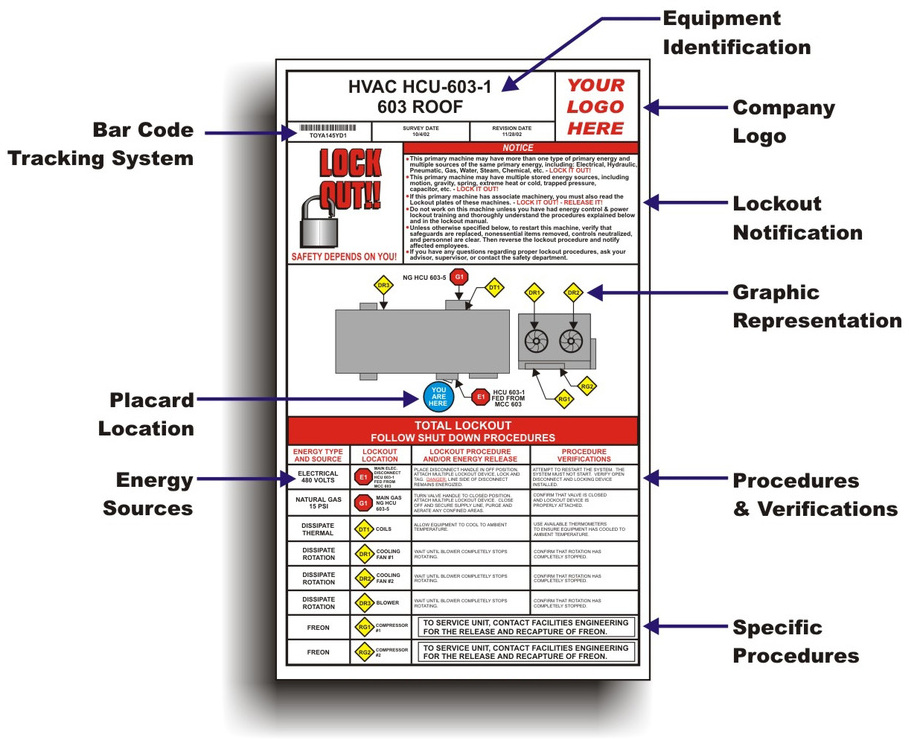
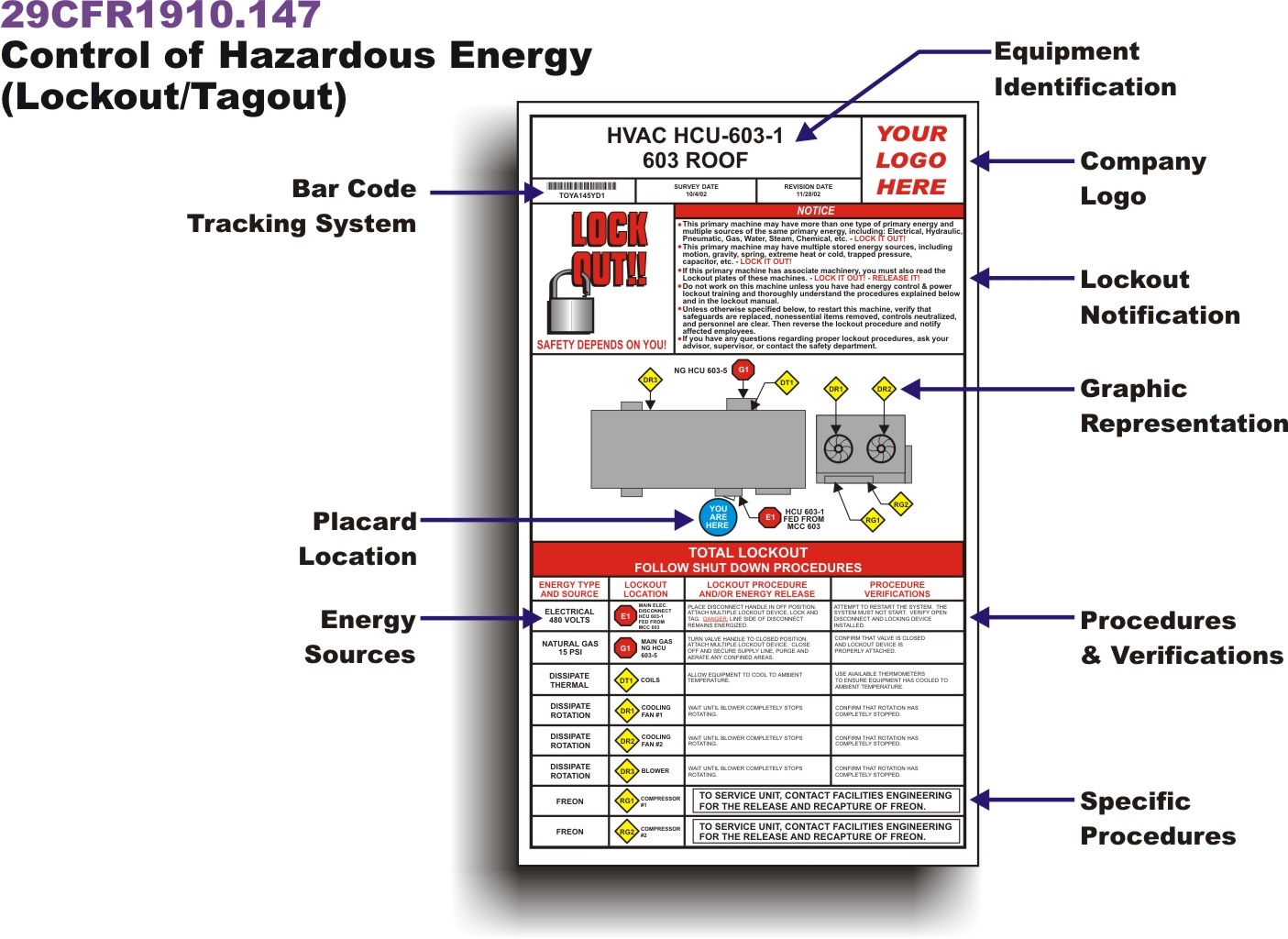
- Equipment identification: Name, model, location.
- Energy sources: List all types (electrical, hydraulic, etc.) and their isolation points.
- Shutdown steps: Clear instructions for safe equipment stoppage.
- Isolation methods: Exactly where and how to lock out each energy source.
- Lock application: How many locks, who applies them, and what type.
- Verification process: How to confirm zero energy (try-to-start test, meter reading, etc.).
- Group LOTO rules: Steps for multiple workers, including a lead authorized employee.
- Release procedure: Steps to safely re-energize the machine.
Procedures should be reviewed annually and updated after any equipment change.
LOTO in Complex Systems: Conveyor Belt Network
In larger operations, energy control isn’t limited to single machines. Consider a conveyor system spanning multiple zones with electrical motors, gravity rollers, and pneumatic diverters.
A lockout tagout procedure example for this system includes:
- Multiple isolation points: Each motor has a disconnect; pneumatic lines have block valves.
- Zone-by-zone shutdown: Maintenance in one section requires isolating only that zone—but all overlapping energy sources must be considered.
- Group lockout box: Authorized workers place their locks on a hasp attached to the box. Keys remain inside, accessible only when all locks are removed.
- Communication protocol: Radios or visual signals ensure all teams know when work begins and ends.
Without a layered approach, residual energy from an adjacent section can energize the “dead” zone—making cross-system awareness critical.
When Standard LOTO Doesn’t Apply: Alternative Methods
Some tasks don’t require full lockout but still need protection. OSHA allows alternatives under strict conditions:
- Minor tool changes: Routine tasks like blade sharpening on a machine under continuous operation may use point-of-operation guarding instead.
- Hot work: In some cases, energy must remain partially live. Extra PPE, barriers, and constant supervision are required.
- Set-up operations: If the employee maintains control at all times, full LOTO may be waived—but documentation must justify the exception.
These are not shortcuts. They are engineered exceptions with higher oversight requirements.
Building Better LOTO Procedures: 5 Actionable Tips
- Use visual aids: Photos or diagrams showing lock locations make procedures easier to follow.
- Conduct live drills: Simulate LOTO during training to test comprehension.
- Color-code locks: Different departments or roles use different lock colors for quick identification.
- Integrate with work orders: Link LOTO completion to digital maintenance systems.
- Audit quarterly: Random checks ensure compliance and catch drift before incidents occur.
A lockout tagout procedure example isn’t just about compliance—it’s about creating a culture where safety is non-negotiable.
Conclusion: Make LOTO Part of the Workflow
A lockout tagout procedure example is only valuable if it reflects real conditions and is followed without exception. Start with clear, equipment-specific documentation. Train every authorized employee thoroughly. Verify every step—not just the first time, but every time.
Energy doesn’t forgive shortcuts. A procedure that looks good on paper but fails in practice puts lives at risk. Build your LOTO process like an engineer: precise, repeatable, and foolproof.
FAQ
What is the first step in a lockout tagout procedure? The first step is preparation—identifying the equipment, energy sources, and required isolation methods before shutdown begins.
Can multiple people use one lock during LOTO? No. Each authorized employee must apply their own personal lock. Group lockout uses a hasp with multiple locks, not shared devices.
Do you need to verify zero energy every time? Yes. Verification—such as a try-to-start test or voltage check—is mandatory and cannot be skipped, even for routine tasks.
What’s the difference between lockout and tagout? Lockout uses a physical lock to prevent re-energizing; tagout uses only a warning tag. Tagout is less secure and only allowed when lockout isn’t feasible.
Who is responsible for applying LOTO devices? Authorized employees—those trained and responsible for implementing the energy control procedure—must apply locks and tags.
Can LOTO be bypassed for quick repairs? No. There are no exceptions for “quick” tasks unless the work qualifies under OSHA’s minor servicing exemption with proper safeguards.
How often should LOTO procedures be reviewed? At least annually, or whenever equipment, processes, or personnel change significantly.
FAQ
What should you look for in Lockout Tagout Procedure Example for Real-World Safety? Focus on relevance, practical value, and how well the solution matches real user intent.
Is Lockout Tagout Procedure Example for Real-World Safety suitable for beginners? That depends on the workflow, but a clear step-by-step approach usually makes it easier to start.
How do you compare options around Lockout Tagout Procedure Example for Real-World Safety? Compare features, trust signals, limitations, pricing, and ease of implementation.
What mistakes should you avoid? Avoid generic choices, weak validation, and decisions based only on marketing claims.
What is the next best step? Shortlist the most relevant options, validate them quickly, and refine from real-world results.